

A South African tote carryover has a way of turning sensible people into part-time mathematicians. One meeting is enough to set it off. The pool grows, the talk gets louder, and suddenly everyone in the room is hunting not for a safe return, but for the ticket that can make a dull Tuesday feel like a story worth retelling.
That is the real hook in Horse Racing South Africa. The race itself matters, but the money sitting in the pool changes the temperature around it. With 4Racing running the courses and TAB handling the bets, the game becomes less like a private wager against a bookmaker and more like a shared contest over who has read the card properly.
The tote changes the bet before the race even runs
Fixed odds are neat. You take a price, you know the return, and you live with the result. Tote betting is messier and more social. Every stake goes into one pool, a slice is taken out, and the rest gets divided among the winning tickets. The dividend is not locked in when you bet. It moves with the crowd.
That simple change alters punter behaviour. On a fixed odds bet, the question is whether the price is fair. In tote betting, the question becomes how the crowd has priced the horse by backing it. That is a different mindset. It rewards people who can read pressure, patterns, bias, and race shape, not just form lines on a page. It also creates a useful kind of tension. Nobody on the operator side is laying the bet against you. The pool is the market, and the market is all of us.
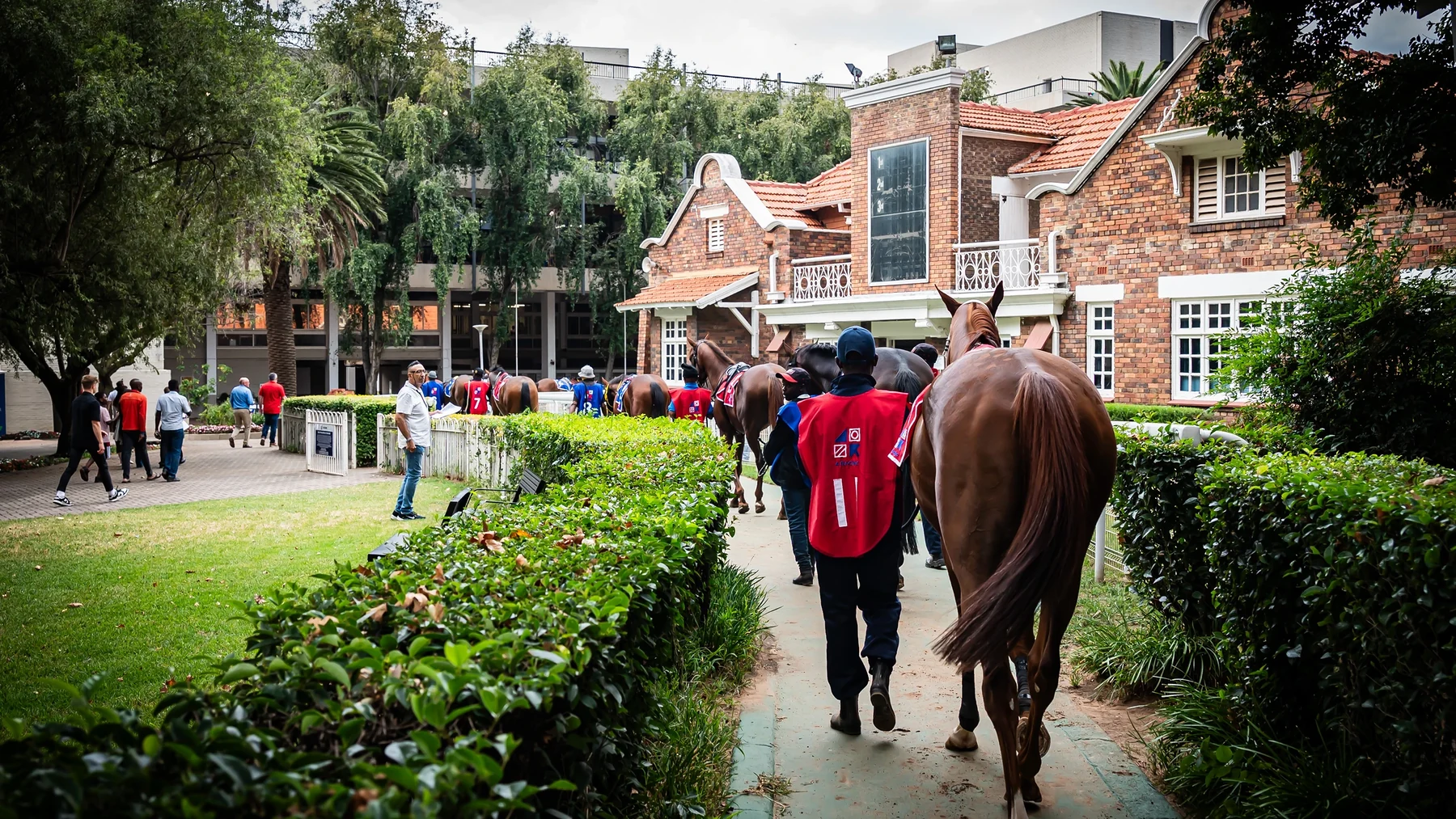
4Racing has built its modern identity around that old mechanism. Founded in 2020, the group says it set out to modernise South African racing while still treating the sport as something inherited, not invented. It operates across Turffontein, Fairview and the Vaal, and its pitch is obvious enough: if you want the country’s racing culture to survive, you have to make the betting experience feel alive rather than administrative.
Carryovers create the hunt
Carryovers are where the tote stops being routine and starts acting like a magnet. When nobody hits a Pick 6 or Jackpot, the pool rolls forward. The money does not vanish. It waits. By the next meeting, the number on the board is larger, the chatter is louder, and every bettor in the room starts doing the same dangerous thing, imagining what a single ticket might be worth if the chaos breaks their way.
That is why carryovers distort behaviour so effectively. People who would normally pass on a complicated pool bet suddenly start studying late scratchings, draw positions, pace maps, and trainer intent with almost forensic seriousness. The difficulty does not scare them off. It sharpens the chase. The bet is hard, which makes the prize feel earned before the race has even started.
The social side matters just as much. Carryovers bring punters together around a shared obsession. Syndicates appear. Friend groups split combinations. The betting floor gets that familiar, half-chaotic energy that only shows up when everyone thinks they have found a way to beat the room. The memory of the biggest carryover days lingers because the story is never just the winner. It is the near misses, the extra combinations, the one horse nobody included, and the feeling that the whole place was leaning into the same dream.
Feature racedays make the room louder
The carryover effect gets stronger when it lands on feature racedays. That is where the numbers meet the ceremony. Grade 1 classics, headline handicaps and season-defining races give punters a reason to care about the form, while the swollen pool gives them a reason to care about the ticket. The result is a betting culture that feels communal rather than transactional.
4Racing leans into that structure with its racing calendar, live cards, and raceday content, and the old prestige races still carry real gravity. The SA Triple Crown, made up of the Gauteng Guineas, SA Classic and SA Derby over eight weeks at Turffontein, gives the season a spine. The Triple Tiara does the same for the fillies. Then there are the Grade 1 markers that racing people know by habit: the SA Derby at 2450m, the SA Classic over 1800m, the SA Fillies Classic, the Champions Challenge, the Empress Club Stakes and the Computaform Sprint. Those names matter because they turn a betting day into a cultural calendar.
The crowd is not only chasing a dividend. It is participating in a shared ritual, one that mixes horse knowledge, old stories and the small theatre of standing over a betting slip while the next race approaches. That is why the raceday atmosphere changes so much when the pool is alive.

TAB gives the ritual a wider reach
The modern version of this culture is not locked to the rail. Through pool betting, TAB extends the tote to people watching from home, from a phone, or from a shop counter before the first race goes off. That matters because it keeps the communal feeling intact even when the punter is nowhere near the course. The bet still belongs to the crowd. The pool still grows with every new ticket. The dividend still waits until the market closes.
4Racing and TAB also give newcomers a cleaner entry point into a fairly opaque world. Win, Place, Each-way, Exacta, Trifecta, Pick 6, Jackpot, scratched runners, minimum stakes, claim procedures, the difference between a maiden and a Grade 1, all of it sits inside a system that can look intimidating until you realise it is built on repeatable habits. The tote rewards attention more than bravado. It is not a free hit. It is a system that keeps people coming back because the next pool might be the one that tips from ordinary into absurd.
That is the peculiar culture carryovers build in South Africa. They make racing feel like a public puzzle with money attached. They keep the old drama of the sport intact while giving it a modern engine. And they turn a betting day into something much harder to dismiss, because everyone in the room knows the same thing. The big pool is coming, and somebody is going to talk about that ticket for years.